
Science Gears Pty Ltd
Electrochemistry Accessories · 🇦🇺 AU
View supplier storefront →
Verified
5+Yrs
0Orders
NewRating
Click to zoom
Science Gears Pty Ltd · Electrochemistry Accessories
Graphite Plates & Sheets
0.0(0 reviews)·✓ 0+ verified orders
WHOLESALE UNIT PRICE
—
Bulk pricing available
Quantity
1
🔒Escrow Protected
🏭Factory Verified
🚢Ships Globally
🇦🇺
Ships from
Queensland, Australia
⏱️
Lead time
3–7 days (AUS) · 7–21 days (INT)
💳
Payment
T/T · PayPal · Escrow · L/C
📜
Certifications
—
🌐
Export to
200+ countries · All major markets
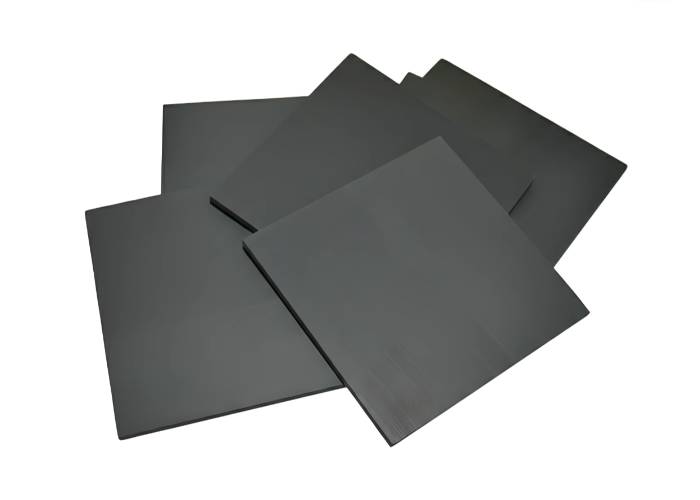
Graphite plates and sheets provide a cost-effective and versatile electrode option for experiments that benefit from a conductive carbon surface in a flat, clampable format . They are commonly used as working or counter electrodes where high surface area, robustness, and ease of machining are valued. Why graphite Graphite is electrically conductive, broadly compatible with many electrolytes, and can be supplied in plate/sheet geometries to fit electrode clamps. Compared with glassy carbon, graphite is often chosen for applications where economic scalability and bulk electrode area matter more than ultra-low background currents. Key features Conductive carbon electrode available in plate/sheet form for electrode holders Suitable for single-face exposure using clamp holders to define geometric area Practical for higher current experiments and general-purpose electrochemistry Can be used as working or auxiliary (counter) electrode, depending on experiment Typical applications Corrosion and inhibition studies (as robust counter or working electrode) Bulk electrolysis and electrochemical synthesis trials Electrodeposition and plating experiments (as counter electrode) Battery and energy research fixtures requiring flat conductive plates Compatibility and workflow Graphite plate electrodes are designed to pair with plate clamps/electrode holders (PTFE/PEEK styles) and common laboratory electrochemical cells. They connect to standard potentiostat leads, and can be combined with reference electrodes, Luggin capillaries and sealed cell hardware for improved control. ScienceGears can recommend the right graphite grade and plate format based on electrolyte, current levels, and mechanical constraints.
Technical specifications
| Model / SKU | SCIGEAR00392 |